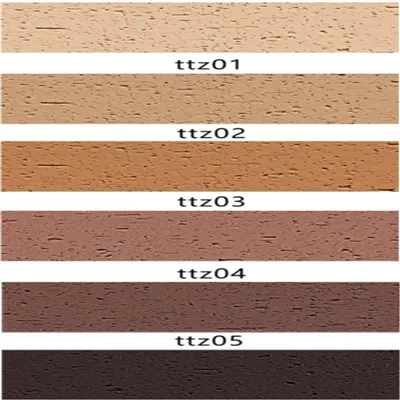

As a supplier of spliced travertine, I've had the privilege of witnessing the long - term performance of this remarkable natural stone in various settings. Spliced travertine is a popular choice for both residential and commercial applications due to its unique aesthetic appeal and durability. In this blog, I'll delve into how spliced travertine looks after long - term use and share some insights based on my experiences in the industry.
Initial Appearance and Installation
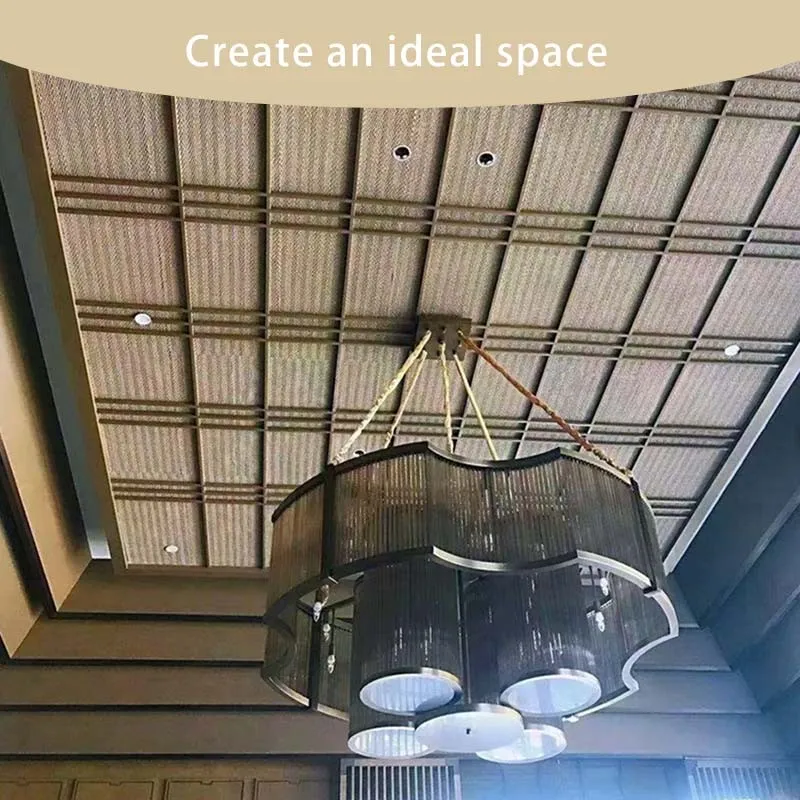
Spliced travertine is known for its elegant and natural appearance. When first installed, it presents a smooth, polished surface with beautiful veining and color variations. The splicing process combines different pieces of travertine to create a cohesive pattern, adding to its visual appeal. Whether used for flooring, wall cladding, or countertops, spliced travertine can instantly elevate the look of any space.
The installation of spliced travertine requires precision and expertise. Proper preparation of the surface, correct adhesive application, and careful alignment of the tiles are crucial for a seamless finish. When installed correctly, the travertine not only looks stunning but also ensures long - term stability.
Long - Term Wear and Tear
Over time, spliced travertine will inevitably experience some wear and tear. However, its natural durability allows it to withstand the test of time quite well. In high - traffic areas such as hallways and commercial lobbies, the surface may show signs of minor scratching and scuffing. But these marks can often be buffed out or refinished to restore the stone's original luster.
One of the key factors that affect the long - term appearance of spliced travertine is the quality of maintenance. Regular cleaning and sealing can significantly extend the life and beauty of the stone. Using a pH - neutral cleaner and a high - quality sealer can prevent stains, etching, and discoloration. For example, in a busy restaurant, where spills are common, proper maintenance can keep the travertine flooring looking as good as new for years.
Color and Pattern Changes
Spliced travertine may undergo some color changes over time, especially when exposed to sunlight. Natural travertine contains minerals that can react to UV rays, causing the stone to fade or darken. However, these color changes can also add a unique patina to the stone, giving it a more aged and characterful appearance.
The pattern of the spliced travertine remains relatively stable over time. The splicing technique ensures that the pattern is consistent and does not distort easily. Even after years of use, the intricate veining and unique patterns of the travertine continue to be a focal point in any space.
Comparison with Other Stone Types
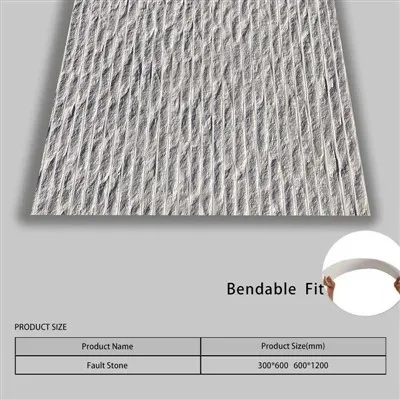
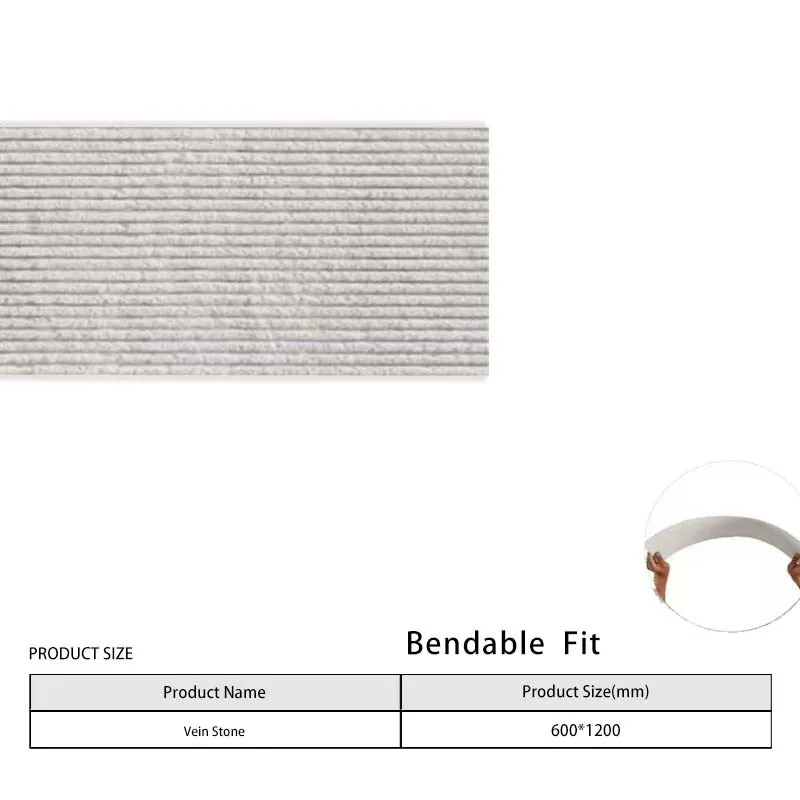
When comparing spliced travertine with other stone types such as Mat Weaving Stone, Fault Stone, and Vein Stone, it has its own set of advantages. Travertine is more porous than some other stones, which allows it to absorb moisture and prevent slipping. This makes it a great choice for areas such as bathrooms and pool decks.
In terms of appearance, spliced travertine offers a more natural and earthy look compared to the more uniform appearance of some engineered stones. Its unique veining and color variations give it a one - of - a - kind charm that is hard to replicate.
Case Studies
Let's take a look at a few case studies to illustrate how spliced travertine looks after long - term use.
Residential Application: A homeowner installed spliced travertine in their living room and dining area. After five years of use, the travertine still looked beautiful. The minor scratches and scuffs were hardly noticeable, and the natural patina that had developed added to the overall charm of the space. The homeowner attributed the good condition of the travertine to regular cleaning and an annual sealing.
Commercial Application: A hotel used spliced travertine for its lobby flooring. Despite the high foot traffic, the travertine maintained its elegance. The hotel management had a professional cleaning and maintenance schedule in place, which included deep cleaning and re - sealing every two years. This ensured that the travertine always looked presentable to guests.
Tips for Maintaining Spliced Travertine
To keep your spliced travertine looking its best over the long term, here are some tips:
- Regular Cleaning: Use a soft - bristled broom or a vacuum cleaner to remove dirt and debris. Then, mop the surface with a pH - neutral cleaner.
- Sealing: Apply a high - quality sealer every 1 - 2 years to protect the stone from stains and moisture.
- Avoid Harsh Chemicals: Do not use acidic or abrasive cleaners on travertine, as they can damage the surface.
- Spill Cleanup: Wipe up spills immediately to prevent staining.
Conclusion
In conclusion, spliced travertine is a durable and aesthetically pleasing choice for long - term use. With proper installation and maintenance, it can retain its beauty for many years. The natural wear and patina that develop over time only add to its charm, making it a timeless option for any space.
If you're considering using spliced travertine for your next project, I encourage you to get in touch with us. Our team of experts can provide you with more information about our products and help you make the right choice for your needs. Whether it's a small residential renovation or a large commercial project, we have the experience and resources to meet your requirements.
References
- "Travertine: A Natural Stone for Interior and Exterior Design" by Stone Industry Association
- "Maintenance Guide for Natural Stone" by National Association of Stone Fabricators and Installers